
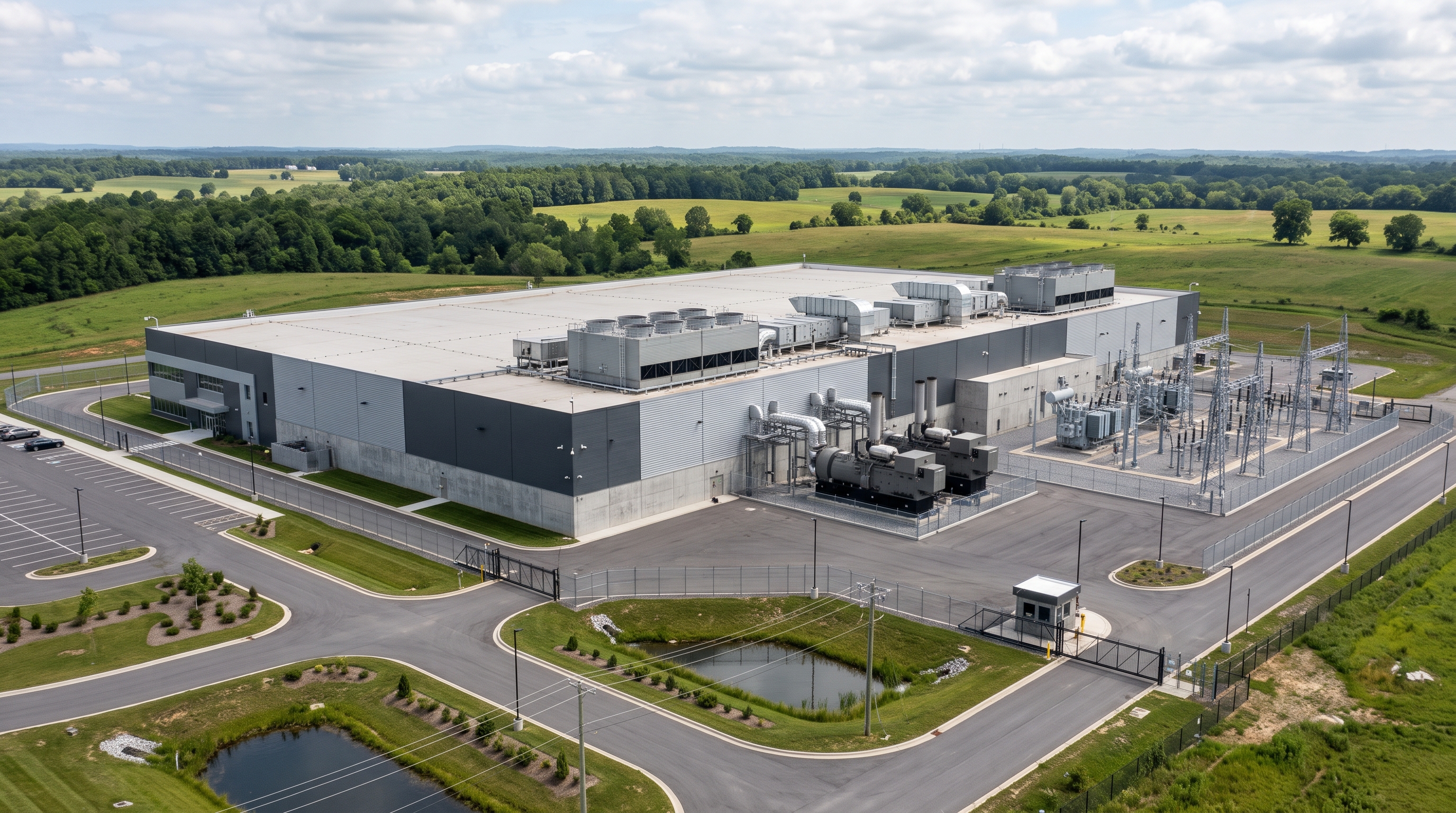
Anthropic’s public IPO filing puts a commercial real estate story at the center of the artificial intelligence boom: delivering more powerful AI requires enormous commitments to computing equipment, dedicated data centers, and the infrastructure that keeps them running.
The company behind Claude announced its S-1 filing on October 26. For commercial property owners and developers, the significance extends beyond a potential stock market debut. Anthropic’s expansion illustrates how closely AI growth is becoming tied to physical development. Anthropic’s announcement
Hundreds of billions in commitments
The scale is substantial. Reporting on the filing identifies approximately $265.6 billion in minimum purchase commitments and $321.4 billion in leases that had not yet commenced, both as of June 30, 2026. Agreements signed or amended afterward carry approximately $245 billion in additional minimum payments, with some subject to conditions. Source First News
Those figures require careful interpretation. They cover different categories, reporting periods, and contractual arrangements. They should not be combined into a headline claiming Anthropic is spending that amount on new buildings.
Computing commitments can include cloud services and equipment alongside facilities. Future lease payments also represent obligations over time, rather than construction spending incurred today. For real estate readers, the useful distinction is between demand for computing capacity and the portion of that demand that translates into property development.
A shift toward dedicated facilities
Anthropic’s filing describes a transition from relying exclusively on cloud arrangements toward a hybrid model that includes directly leased chips housed in dedicated data centers leased and operated on its behalf.
The structure can involve several parties: one supplies equipment, another finances it, another provides the facility, and another operates the infrastructure. Anthropic also discloses arrangements involving dedicated power generation or other energy infrastructure. Anthropic’s S-1
For developers, that structure raises an essential underwriting question: Who is responsible for each obligation?
The AI company using a facility may sit within a broader contractual chain. A property owner evaluating a proposed project needs to understand the actual tenant, any guarantor, the financing conditions, and the circumstances under which payments begin.
A recognizable end user is valuable context. The lease and its supporting agreements determine the property’s contractual income.
Power and delivery schedules shape the opportunity
Anthropic identifies electrical capacity, equipment availability, facility completion, and access to critical services as constraints on bringing compute online. It also warns that demand and delivery schedules may diverge, leaving it with either insufficient capacity or underused resources. Anthropic’s S-1
The commercial real estate implication is straightforward: a site’s usefulness depends on its ability to support an operating facility on the required schedule.
For an owner assessing potential data center demand, the practical questions include:
- What electrical capacity can the utility deliver, and when?
- Which approvals and infrastructure improvements remain outstanding?
- Who pays for upgrades and carries the risk of delays?
- When does rent commence, and what conditions must be satisfied first?
- How adaptable is the property if the proposed user’s requirements change?
These questions help separate a promising development concept from a project that can be financed, constructed, and occupied.
What commercial property owners should take from the filing
Our reading is that Anthropic’s disclosures strengthen the case for examining infrastructure readiness when evaluating potential data center sites. They do not establish a valuation premium for any particular parcel or guarantee demand in a specific market.
For Northeast Ohio owners, the next step is property-level analysis: confirm utility capacity, review zoning, identify physical constraints, and determine whether a credible development schedule is possible.
Anthropic’s commitments demonstrate the scale of the ambition. For commercial real estate, the opportunity becomes tangible when that ambition connects to a suitable site, deliverable power, enforceable agreements, and a funded construction plan.